Showing posts with label radical homemaking. Show all posts

Monday, July 24, 2023

Waiting for the EV! Changing our minds


For those following along, it is not news that the climate is seriously overheated and we have to decarbonise immediately. Every tonne of C02 we save is worth it. Read about it here  but it is not hopeless, eg read about it in NZ -here

We have wanted an electric vehicle for a long time but they are expensive in Australia, so much so that when we bought our last vehicle 6 years ago, we could not make the numbers work even though I factored in  years of savings of buying petrol into the purchase price. EVs are expensive in Australia. 

There is a lot of anxiety about owning an electric vehicle in Australia, judging by the comments we see online and get from people in our community. Unlike places in Europe, the numbers are small, the distances are large and the distribution of public EV chargers is patchy. 


I read Saul Griffith's book "The Big Switch Australia's electric future". Read a summary here 


"Climate change is a planetary emergency. We have to do something now-but what? Saul Griffith has a plan. In Electrify, Griffith lays out a detailed blueprint-optimistic but feasible-for fighting climate change while creating millions of new jobs and a healthier environment. Griffith's plan can be summed up simply: electrify everything. He explains exactly what it would take to transform our infrastructure, update our grid, and adapt our households to make this possible. Billionaires may contemplate escaping our worn-out planet on a private rocket ship to Mars, but the rest of us, Griffith says, will stay and fight for the future.

"Griffith, an engineer and inventor, calls for grid neutrality, ensuring that households, businesses, and utilities operate as equals; we will have to rewrite regulations that were created for a fossil-fueled world, mobilize industry as we did in World War II, and offer low-interest "climate loans." Griffith's plan doesn't rely on big, not-yet-invented innovations, but on thousands of little inventions and cost reductions. We can still have our cars and our houses-but the cars will be electric and solar panels will cover our roofs. For a world trying to bounce back from a pandemic and economic crisis, there is no other project that would create as many jobs-up to twenty-five million, according to one economic analysis. Is this politically possible? We can change politics along with everything else".

What happened next?

When we noticed that there was a company started up in Australia with the purpose of improving the uptake of EVs by importing second hand models from Japan, we were intrigued. As it says on their website: 

"It's as simple as changing our habits and showing a desire to adopt new ways of being.

We have the power to write our own stories and create the future we want. We can mobilise as individuals and communities to steer the market and policies towards a clean transport and energy future.

The ripple effect can create powerful change well beyond our borders as people realise that there is a cleaner better way of doing things. As we all know, stories are powerful, and an idea worth spreading can change the world". Read more here

Was this the opportunity we needed to get an EV? We had saved for our next vehicle, but not enough to buy a car with a 400 km battery range, but we could afford a car with a 200km + range. We thought about it when we drove to Bunbury, a town 175 km south of Perth. If we needed to charge the vehicle on the way, we would have to turn off the Bussell highway into Mandurah, which would be a bit of a diversion, but there are rechargers in Bunbury. A car with a 200km battery range would get there and when charged again, could get back as EVs regenerate some power in stop/start driving. What about other places? Not to Albany -not enough chargers on route, we think for a car with that smaller range. This may change in the future- as more people own electic vehicles there will be more chargers. 

For everyday use, however,  a smaller range vehicle would be fine for our use. As we are retired, we often have days when the car goes nowhere, sitting in the driveway all day, or we go to visit friends or go to the shops, very short drives between 5 km and 80km. 

We also have a small solar panel array, which even though small, means we sell to the grid about as much electricity as we use in the house. We can use the excess production for at least 9 months of the year in recharging the car for less than 2c per Kilowat hour, which is what the electricity company buys it from us for. Perth has an average of 8-9 sunshine hours per day (source BOM here ). This means there is a huge amount of take up of solar energy on rooftops. 

This is where the real change of minds came in! 

We simply decided to purchase an  EV with a 200km range, and to save up for a hire car when we want to go on holiday to Albany! After all, we already budget for rental accommodation! If we really want to, we can go down on the free Seniors card bus, and rent from an Albany supplier. 

The car is a Nissan Leaf 2018 with 65,000 km and a battery of 85%. 

What preparations have we made? 

1. We sold the trailer, as the new car won't have a tow bar. This raised some cash towards the second step. It is OK because we can always hire a ute if we need one, to move something or just pay for delivery. This is part of the change of mind that is required-instead of storing a trailer for the 3 or 4 times per year we need it, and paying for its upkeep and registration fee, we hire something as and when we need it. 

2. We have installed an EV charger to our house. 


3. We have been reading and watching videos about how to own, drive, and recharge the vehicle. It is a change of habit, and a change of technology. Many acronyms to learn! 

4. We have a buyer for our ICE vehicle (internal combusion engine -smelly, inefficient and climate damaging). 

5. We are waiting! 

The vehicle is going to be shipped from Melbourne on the back of a truck, then go through registration in Western Australia. The delivery date is still a few weeks away. We will let you know when it arrives and how we find it! 


Monday, January 2, 2023

New Year, old me, same slow living

 Welcome to my first blog post of the New Year and thanks for visiting.

One of the things which happens at the end of the year is that we have lots of birthdays to celebrate, including mine. I always start the year officially older. Our celebrations of Christmas and New Year always spread over several days, to try to give the birthday girls a moment in the sunshine too. We had lunch with friends and lunch with the adults of the family, and a picnic afternoon tea in the park with the grandchildren, just for birthday celebrations. 

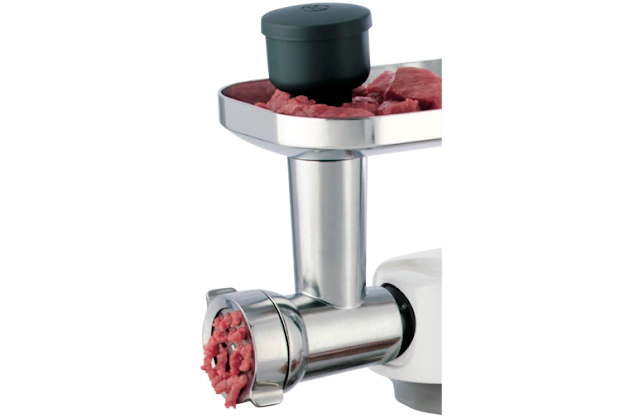
Did you give and receive presents recently? One of the things now residing in my house is a new attachment for my Kenwood Chef- it is a food grinder. 


The reason this grinder was on the Christmas Wish list is that I was interested to go further with my experiments in building skills for slow food, slow living. The questions was, would it be cheaper to make my own mince and sausages?  The 2.3 kg pork shoulder I bought was $20. Pork sausages are about $8-9 per 450g this week so making my own would save about half the money of buying 2.2 kg of sausages. (I am using for this example good quality sausages, not the cheap 'goodness knows what is in them' kind). 

I tried it for the first time this week, making a boneless shoulder of pork into mince. I then made meatballs with some of it to serve with pasta and tomato sauce, and froze the rest. I have some sausage casings on order -it will be interesting to see if I can manage the process of actually filling the cases and making sausages. I am also looking into what else I can make with this attachment. The process, though slow-ish, was enjoyable and I will certainly go further with it. 


I already have established several old timey sorts of habits and skills - I can make a pretty good sourdough loaf, most of my cakes turn out fine from scratch, I am now a regular pastry maker so pies and flans are often eaten here. My husband makes yoghurt and jams and chutney. There are pickled onions and pickled vegetables in the fridge for summer salads, which we made ourselves.


Of course we also try to grow food in our suburban garden, and whilst there are some successes -the blueberries have been fabulous-there are also failures. No strawberry has ever made it to ripeness in my garden without some pest eating it before I did! After several years, the mulberry is now producing decent fruit, and the rhubarb we pick is now both chunky and red. 

Summer is well established now. The rains have gone, my water tanks are half full, and the irrigation is the focus of our garden survival. DH thinks we need a new solanoid thingo  and a new controller for it. Shade has been spread around to help everything cope.


DH is a partner in the old fashioned skills, with his fabulous set of tools in the shed. Today he is working on my sewing room door, repainting it after sanding and making it nice again. I have a new sign to go on it when it is done. 


The grandchildren have a swing set in their garden, and one of the components that they loved was a stand-on swing. On Christmas Day it broke, so we brought it home and DH made a new piece for it out of wood, and sealed it. It was a bit tricky due to the ropes involved, which he did not want to undo, but he worked out a design which enabled the new wood to be inserted without undoing the ropes at all. 


The thing about this kind of slow living that many people comment upon is that it seems like a lot of work, and that they don't have time. Yes it is work but my feeling is that the work is the kind that gives deep satisfaction and a sense of accomplishment. How else should we fill our days, except with the stuff of being independent and resourceful and practical, about the things which go to a good life without consuming more of the earth's resources than we need or can afford? Now that we are retired, of course we have more time to devote to these things. It would be hard to live like this  in the conduct of a full time job and with young children, unless something were to change -if you could afford a part time job, for example, or if finally the kids were in school all week. 

Finally some resources for you:

Jill WInger the Prairie Homestead - https://www.theprairiehomestead.com/author/jill


Friday, September 23, 2022

Choosing a variable tarriff for electricity? Ummmmm


It all started a week or so ago, when I opened an email in which our electricity company Synergy which offered us a deal whereby, if we had a 'smart meter' we could choose to pay a variable tariff -in which some parts of the day were quite cheap and the peak times quite a lot more expensive. 

Up until now, we have had only a standard rate no matter what time of day you used the power. The details of the offer are: 

    Between 9 am and 3pm the charge would be 8c per unit.

    From 9pm to 9 am would be 22 cents per unit.

    The most expensive time would be between 3pm and 9pm when it would be 0.50c per unit.

Our current charge is 28 cents no matter what time of the day we use it.  

One thing we noted, was that the supply charge per day for the variable tariff has been increased from about 96 cents per day to $1.20 per day. You have to read the information quite carefully to find this out! 


The aim of the proposal is to 'stabilise the grid"- Perth is a great place to have solar panels, so many days of sunlight - but they make a lot of energy during the day when many people are at work, and then when they go home and turn on their TVs and stoves and things, the sun is going down and the grid is at peak demand but without solar input.  This week we got news of a problem with the grid due to a coal mine going bankrupt is here-it is only a small part of the way WA gets energy -we have wind farms and plan to get more. There are a few places where there is a local energy grid using a battery and wind farm combined with solar power for homes.

DH and I considered that we should be in a good place to do change to this tariff -we are retired so at home a lot, we have solar panels and a smart meter. As DH said, we should also be prepared to play our part in this. For decades, enviromentalists have talked about 'peak oil' and the necessary adjustments away from fossil fuels. We are all going to have to live less profligate lives in the energy sphere. Our simple living lifestyle, which we have been working on since this blog was started in 2008, should set us up for success.  

We have watched with great concern about the fuel crisis in Europe and especially in the UK, we have noted that many people will struggle with a low energy future if the rent in draughty, poorly designed homes (if they can afford to rent!) or if they are sick or in need in some other ways and need to use power for life saving machinery. Practicing low energy lifestyles seems like an act of solidarity, somehow. We have the choice -which we know is a luxury- of saving money this way, and helping out our community. Over the years we have been carefully renovating our home and changing our practices to live simply. 

WHAT WE DID

DH loves to work with numbers. In order to decide if we want to change our tariff, we started collecting data on our current use, and put it in a spreadsheet. DH collected the data three times a day. 

The first week we did not change our habits at all. 

The second week we did the following things:

1. As it is still cloudy and raining at times, we have a time switch on our solar hot water system, to boost it with electricity  if the sun has not been shining enough to get the water hot for a shower. We get about 8 months of free hot water from the solar hot water system, so cost of this boosting in the winter this is not a big issue for us. We adjusted the timer to boost during the cheapest period. . 

2. We have checked that there are no chargers left on during the peak period-and this is particularly true for things like tools in the shed and phone chargers in the house.


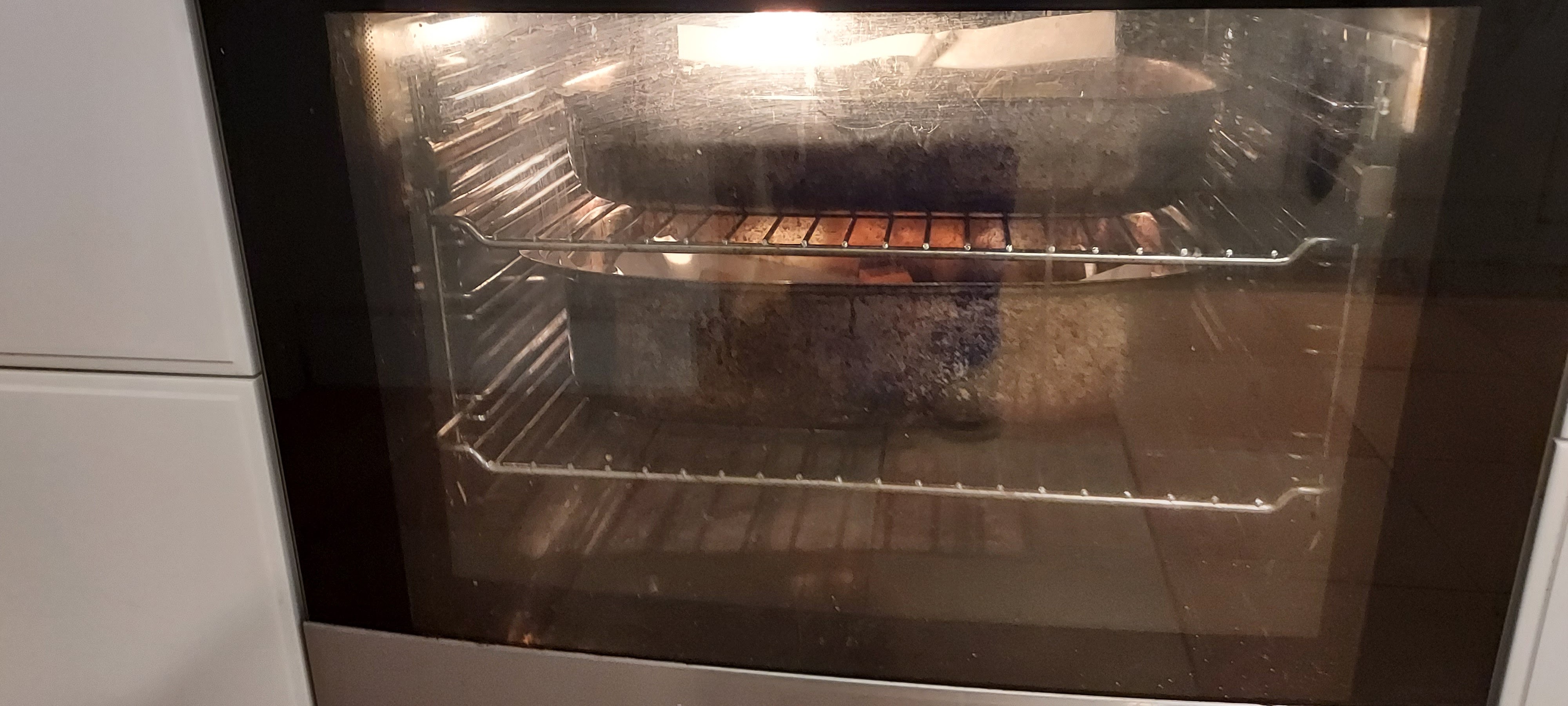
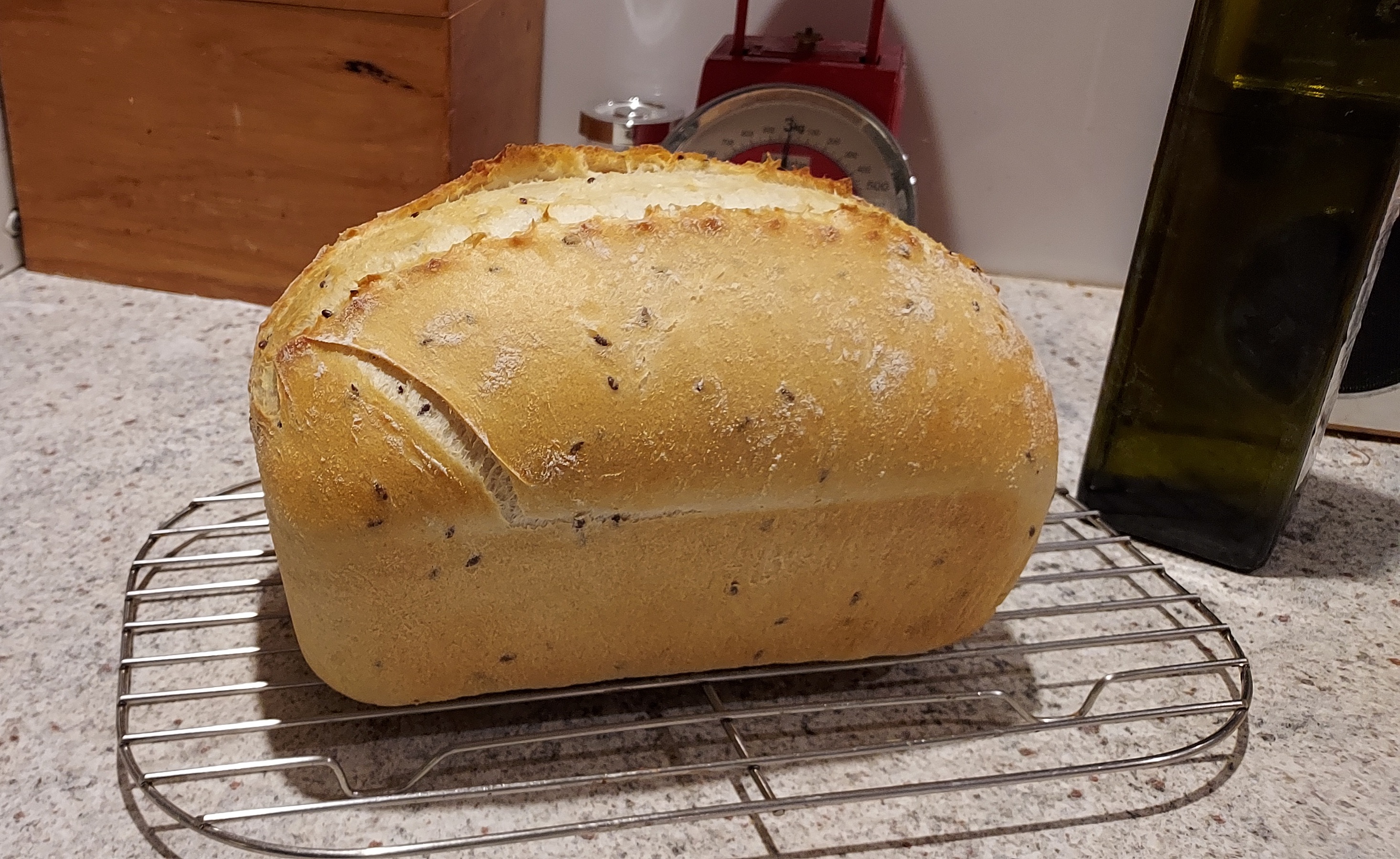
3. We adapted our cooking -  trying to either cook without the oven, or make bread and use the leftover heat for other things, or cook earlier in the day.  As a baker of sourdough, this means that I need to go back to proofing my bread overnight and cooking it in the morning. I used to do this but winter temperatures overnight made this impractical., and to be honest, I just didn't feel like making bread in the evening. Long hot summer evenings are much more conducive to this. 


The electricity company's  own suggestions include:

1. Setting your washing machine or dishwasher to run during the day instead of at night, to take advantage of super off peak rates. There might also be a ‘delay’ button or timer feature on your appliances to help you to do this.


2. Charging up your consoles and other devices during the day, and switching your chargers off when you don’t need them, particularly during times you’ll be charged at peak rates.

3. Doing the bulk of your cooking or meal prep before you head out for the day, or setting your dinner to cook during the day in a slow cooker, rather than cooking with your appliances when you get home in the evening.


WHAT WE FOUND: surprising

DH found that the first week's average daily use was 16 kw hours spread pretty evenly over the 24 hour period. If we had signed up to the variable tariff this usage would be expensive -more than $1.20 more or at least $62 per year. 

The second week of consiously making changes meant we used the same number of kilowatt hours, but reduced our overnight consumption drastically, mostly by changing the hours of electricity boosting. We also turned off chargers, and computers more consistently when not in use.  Some things were easy enough -waiting to turn on the dishwasher or dryer is not often an issue.


Changing our cooking practices required some thought.  One day I made a vegetable soup -first roasting the veggies for extra sweetness, straight after the bread came out of the oven, after 9 am but before 3. Then I put the soup together and simmered it  on the induction cooktop before 3. Then I put it in our insulated hot box until dinner, when I will blend it and serve it. Most of the cooking was done on what would be the cheapest tarriff. 

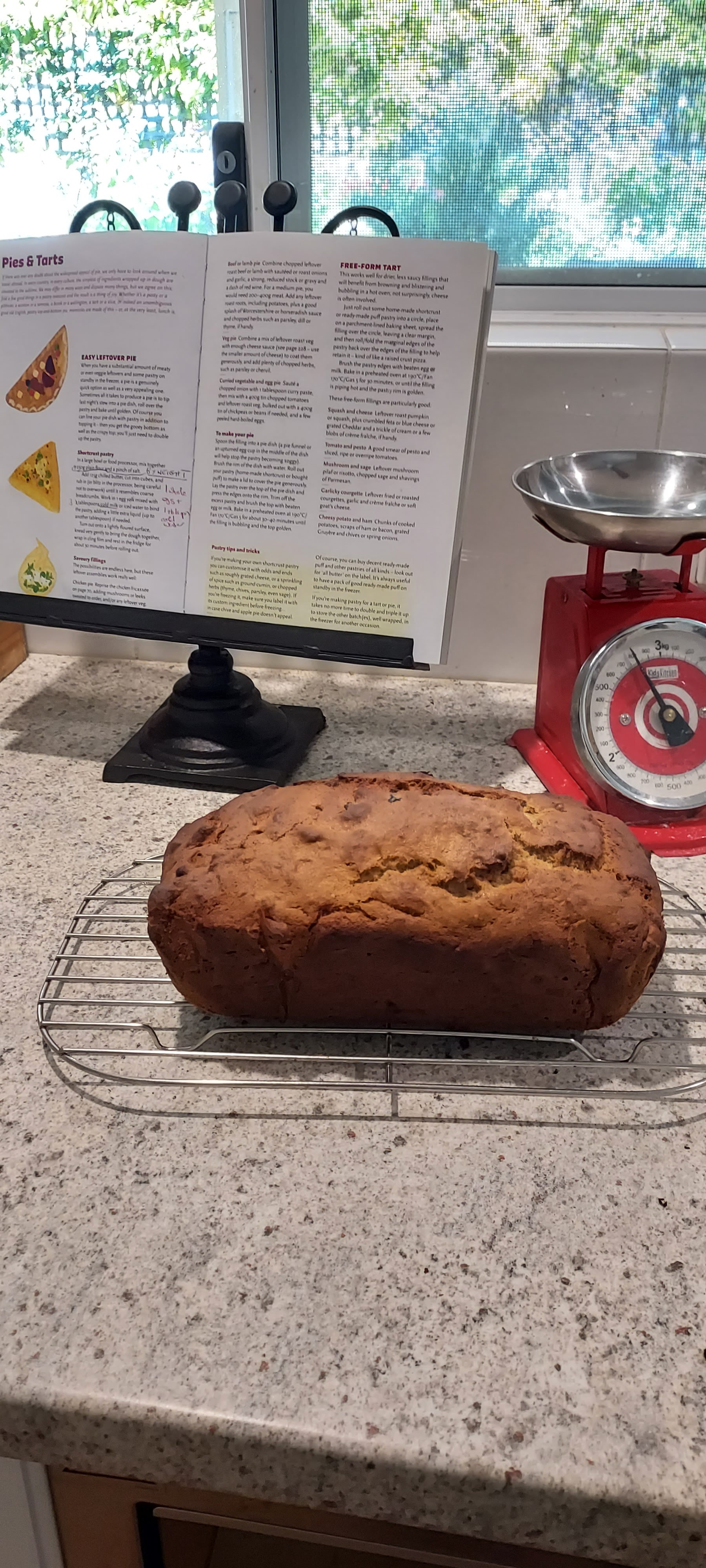
Another day, I planned a 'baking day" - making a quiche for dinner and some banana bread in the oven on the lowest tarriff setting. 


IF we  took up the variable tariff, but changed our ways and could keep them up over the year, we would save $40.

Now, in a cost of living crisis, that might be significant, but it required a lot of effort on our part.  

AND what about the other seasons? 


SUMMER  if it is still hot after 3pm in summer and we want to use the power to cool ourselves down -won't that be expensive? We often get sea breezes, but they sometimes come after 4pm or later. Earlier this year we had a 'heat bomb' where the temperature did not drop much overnight for over a week of soaring temperatures. The evaporative air conditioner we installed this year uses a lot less power than a refrigerated air conditioner, however. 

WINTER we are usually pretty active and don't use any heating until evening -and then we sit together in DH's study where a column electric heater and some rugs and quilts is enough. It could be expensive though....In winter you want warm food -and even using our insulated hot box and microwave, and the smaller than the oven convection microwave, you would still use power at the most expensive time of the day.

One of our friends said that most people would not go into the detail of the Synergy offer -I guess that is true. We did, however, and right now we are not signing up.

I am happy to try to save power where we can though. 


Finally -stuff I found on the internet related to simple living! 

Growing veggies -encouraging tips here 

Rhonda's wise words on reducing expenses here 

Green Godess sauce here

Baking zucchini slice in the slow cooker here 

Enjoy this wonderful Youtube channel in Ireland called Bealtaine Cottage

Sunday, June 5, 2022

Eat like a peasant


 It is now winter -or more precisely the Noongar season of makuru, which is when we can expect more rain and cooler weather. In the face of the good news of our new government (Yay for democracy! Yay for preferential voting!) we have the continuing bad news of rising prices in just about everything, but especially energy prices. 

As I wrote in my last post, there are some long term things we do to help us cope with inflationary cost pressures. 

I have been reviewing our habits on grocery spending  and genearl food habits this month, and thought I would write down some of the suggestions. One of the things I have been doing is reminding myself of the "peasant lifestyle", through some cook books on my shelf*, as the resourcefulness and simplicity of the peasant lifestyle is a bit of a hedge against feeling powerless in the face of the supermarket price rises. I turn to the classic cuisines of the Mediterranean and Asia for inspiration. 

Here is an article about 'cucina povera" -or peasant food! Click here

Growing some of it ourselves 

It is fair to say that the garden gives me great pleasure, and good exercise. If it did nothing else, it would be a worthwhile investment, but the garden actually provides us with real food which we can eat fresh picked and without any food miles. I deliberately try to grow things which are expensive when bought in the shops, and things which don't travel well -like herbs. Our diet can be tastier, healthier and more varied by doing this. We don't grow potatoes, carrots or onions because they take quite a lot of room in an small garden, if you want to stop buying them from the green grocer altogether. 

The think you notice about the peasant life is that it flows with the seasons. Seasonal food is cheaper, it doesn't need to be transported half the way across the world, and it is fresher. In the Mediterranean diet -often cited as very healthy- fasting is a normal part of the year but especially for the religious seasons of Lent and Advent. Vegetarian food is common, with meat used sparingly. 


What we have been harvesting

Tangelos -these gloriously orangy oranges are fabulous in breakfast juice. Our tree has about 20 fruit this year, and I am saving every single one for us. 

Grapefruit-these are the pink ones, and I reckon there are more than 100 on the tree. I have already given a basketful away to the neighbours through our buy nothing group on social media. We add some of these to our breakfast juice. 

Meyer Lemons -sweeter and juicier than eureka lemons, and we have a very productive tree. Have given away a basketful already this season.

Limes -not just for gin and tonics, but good for these. I will freeze some in quarters, and I am also going to put some in salt -like preserved lemons- for adding to salads and rice and couscous. 

Olives -DH and I are putting away a couple of small jars in brine every few weeks. 


Salad leaves -I am growing  a whole range of 'cut and come again' lettuces, along with rocket and coriander and dill, in the garden at the moment. Most of these are self-seeded, which means that I just let the plant flower, and then the seeds fell into the garden and now I have new plants. Winter is the best time for green leaves in this climate. We also have kale, kan kong, warrigal greens and sweet potato leaves for stir fries. At about $3 per bag of salad leaves at the supermarket, we are doing well in saving money just from this one item alone, especially as ours are always picked absolutely fresh. 

Herbs- soup is better with parsley and thyme, pasta is better with basil and rosemary and oregano. I have bay leaves growing outside. I have makrut lime and curry leaves for curries. Mint for tea and deserts. One read recently that those tiny packs of herbs in the supermarket come out to $200 per kilo! Now, herbs are astonishingly easy to grow- in fact with things like mint and saddle back sorrel the trick is to keep them from taking over the garden. Instead, I keep them in a pot, and feel like one of those TV chefs when I just pop outside and come back with a handful of herbs for my recipe.

How much do we spend on the garden? My budget gives me $50 per month, and I can usually find something to spend it on. I don't buy pesticides or fungicides -but I do buy a bag or two of pelletised manure, and quality potting mix to add to the compost when I am potting up plants. This month I bought rock minerals because Perth sandy soils can be a bit deficient in minerals. I also bought a bag of kitty litter which is made of bentonite clay, because it is a cheap way of getting clay to add to the sand in the garden when I am planting something. Sometimes it  is nice to buy a new plant -I got a bougainvillea this month -but I often can divide or take cuttings when I need to fill a space in the garden. We make compost and get free mulch from the city council, and I am always on the scrounge for free ingredients to add to the garden. This pile of leaves was one such opportunity - I had a bag in the boot so I quickly piled them up and took them home for the compost.


What is the garden worth in dollar terms? I haven't actually done the figures, so I don't really know. We still shop for vegetables and fruit, but I think our diet is more varied, and we have fresher meals because of it. I saw someone offering home grown grapefruit for $1.50 each! I have more than 50 on the tree -so that is a significant cost saving right there. 

If you have the land -or even a bit of a sunny balcony or a strip of land next to a driveway, I think you can eat from the garden and save money. 


*Books like "Honey from a weed" by Patience Grey , and  Rick Stein "From Venice to Istanbul" 

Other Resources

Integrated pest management

It's OK really 

Great tips here  from Zero Waste Chef

Friday, April 1, 2022

Waiting for rain, and other Djeran activities


Djeran season at last sees a break in the really hot weather. A key indicator of the change of season is the cool nights that once again bring a dewy presence for us to discover in the early mornings.

The winds have also changed, especially in their intensity, with light breezes being the go and generally swinging from southerly directions (i.e. south east to south west). Many flying ants can be seen cruising around in the light winds.

Djeran is a time of red flowers especially from the Red Flowering Gum (Corimbia ficifolia), as well as the smaller and more petite flowers of the Summer Flame (Beaufortia aestiva). As you travel around the Perth area, you may also notice the red 'rust' and seed cones forming on the male and female Sheoaks (Allocasuarina fraseriana). Banksias start to display their flowers, ensuring that there are nectar food sources for the many small mammals and birds that rely upon them. Source: http://www.bom.gov.au/iwk/nyoongar/djeran.shtml


Eagerly we are watching the skies, the weather charts, the plants in the garden. There have been a couple of very short showers of rain, and the temperatures are gradually cooling down to the low 30C. Is the summer over? Can we start planting autumn crops? Can the garden recover from the heat? 

A week or so ago I took down one shade sail, on the western side of the house. We have a large bottlebrush tree there, and the bed is planted with cumquat, sweet potato, fennel, basil.When the garden did not die from the heat (!) I took the rest of the shade sails down too. I rather too hopefully planted some rainbow chard and 12 garlic cloves, but it may be a bit early yet. 

The garden has survived the summer, but it was not as productive as I hoped, and I don't really know why. I planted some zucchini but had only one fruit, even though there were plenty of flowers. The passionfruit has had lots of flowers, but no fruit set either. The pumpkin that self seeded has only one fruit on it. The dwarf beans I planted came to nothing. I wonder about the pollinators -was it too hot for the bees? There are some  bee attracting flowers in my garden all the time -I have alyssum, which bees love, and nasturtiums, and parsley, and basil, but it has been some time since I saw the bees out in force.

Gardening, no matter how long you have been doing it, is an exercise in observation and patience. If I was actually relying on the garden to feed us, there would be times when we had a 'hungry gap'. Nevertheless, we are now harvesting limes, pomegranates, fennel and mint. DH found an olive tree on the street near our home, with small black olives, and harvested 3 jars for a quick batch. Our kalamata olives are very green still. 

If the rains come, I hope the parsley will come back again - I miss it! 


I continue to play with my sourdough recipe. Lately I have been adding 3 teaspoons of malt powder - I used to use malt extract, the syrupy stuff but I have found malt powder used by amateur beer makers, and it is great. It adds crumb and makes a great crust, as well as adding some nutrients to the bread. I am also using flax seed too. 


My favourite tree is now in flower around the suburbs : Eucalyptus erythrocorys, commonly known as illyarrie, red-capped gum or helmet nut gum, from Western Australia. It has smooth bark, sickle-shaped to curved adult leaves, characteristically large flower buds in groups of three with a bright red operculum, bright yellow to yellowish green flowers and sculptured, bell-shaped fruit.


It was our great delight to finally -after 2 whole years -see and hear the Australian String Quartet live in concert. They had been unable to attend in person, due to WA's COVID restrictions on travel. We are now open to the world (!) and COVID is at last running through our community. I know this is very different to the experiences of others in Australian states, and in other parts of the world, but our State Government took the stance to protect us until we had the chance of getting most of the population safely vaccinated, before opening up. It was hard for some families, being so isolated from relatives, but so far our hospitalisation and death rates are far below other places. We have to wear masks indoors, and that is a struggle for some people, but it is helping to keep vulnerable people safe. I hope that wherever you are, you are taking care and finding ways to connect with others even though the pandemic is not over, not by any means

Finally, I have a couple of recommendations for you: 

Recommended Book 

Henry Reynolds "The Other Side of the Frontier"


Recommended Podcast 

We talk a lot about agricultural practices, climate change, and the global food supply, and the news is not always great. Rebecca Ruda reflects on the anxiety this can cause and reminds us that just as the problems of the world deserve our attention, so does our mental health. She provides tips for recognizing anxiety symptoms and openly shares her own experience. Then Rebecca offers simple but useful strategies for continuing the work of advocating for nature without doing harm to ourselves.


Perth heat

Thursday, September 9, 2021

Coping with rising food prices


Around the country, people have noticed that food prices are rising. All kinds of things are in short supply, as supply chains are stretched due to the pandemic. Choice Australia says "The most recent reported that 71% of Australians are worried about how much food and groceries cost, topped only by concerns about electricity, fuel and healthcare costs. And many had cut back on spending on essentials, including groceries".

Read about it here 

We are on fixed incomes around here. DH and I are now retired, and living on a adequate combination of pensions from our super funds and government allowances. This is both in cash and in kind -truly, the number and amounts of discounts for seniors and pensioners have astonished me- we can get everything from discounted haircuts on certain days of the week, to discounted food in restaurants if we shop at certain times. We are very grateful! 

We still have good reason to be careful when someone starts predicting rising food prices -after all, we must eat! I use these strategies listed below, all the time, even though the hard times of our lives, when DH was made redundant and our mortgage was huge, are behind us.

Disclaimer: I am in awe of what Jack Munroe has found out about managing on a tiny income, and the recipes she creates are the essence of frugal, so if you want to know some really good advice, just visit their website and don't bother with the rest of this! Or enjoy Jack's fabulous recipes and then come back and read this! 

The following are my strategies for making the food budget go as far as possible.

1. Find alternative sources of food

We have several large supermarkets within easy reach of our home. They sometimes offer 'specials' where they entice shoppers into their doors with something they sell below cost, and then often put up the price of other things to make sure they don't miss out on the money in the end. If you keep a price book- an actual list of what you pay for each thing you buy, with comparisons to other shops, other dates, you will be able to prove this is so. That is actually a very good exercise to make you aware of your actual costs, but it can be daunting. I used to belong to a website community where people did this, and it was illuminating! 

There is an alternative to keeping a price book, especially for the time poor and those whose heads might just explode at the idea! Choice in Australia regularly surveys grocery prices.

Choice found in May 2021 that the difference between an exactly identical basket of items in supermarkets varied by over $50 depending on which supermarket chain you shopped in, and could be more if you chose generic brands. 

They also found some states of Australia are more expensive than other states. My own state of Western Australia, along with the Northern Territory, are more expensive than the southern and eastern states, which are closer to the distribution centres and have higher populations. There may also be variations in suburban prices -if you live in a relatively wealthy area, it is worth shopping in another place where median incomes are lower, to see if prices are different there. 

I often find there are other sources of food worth trying: farmers'  markets- where they are selling what is now in season and therefore both freshest and cheapest, farm gate, smaller shops, ethnic grocers. It is worth having a look around your area. Ethnic food shops have great bulk spices at better prices than those tiny bottles in the supermarket. They also have a huge selection of flour, tea, coffee and pulses. 

2. Buy in bulk to even out price rises, find discounts

I am a member of our local RAC which means that I get to shop once a month in a wholesale bulk grocery store, which offers this service for members We find this convenient and cheaper. I can get 5 litres of rinse aid for my dishwasher for the price of 1 litre of the tiny supermarket bottles. I buy large, catering sized tins of roasted capsicums, and ladle the contents into smaller packets for the freezer. They become the basis for salads and dips and soups. Often a 5 kilo bag of rice is cheaper per kilo than a 500g gram bag of rice. 

On a tight budget, in order to have the extra money to buy the bigger packet, you might need to save up for these items one at a time, but as you build up a supply you will find it gets easier to afford. You can store non perishables in all sorts of places -in the garage, under the bed, at the top of your wardrobe.  

3. Make substitutions 

I have reduced the amount of meat we buy over the past few years for many reasons, including the fact that growing meat takes a lot of water in these drying times, and I want to do our bit for the planet. We are not vegetarian, we just eat other things than meat on at least 2 or 3 days a week. Meat prices are shockingly high, but I love to buy a good cut from a local butcher if I am having friends or family over for dinner. I am still overwhelmed when I hand over $70 for a leg of lamb! 

For ideas on what to eat when cost is an issue, I recommend looking for  recipe books in op shops. This book below is Elizabeth Davidson's "Vegetables" and is a treasure trove of ideas and inspiration. The filling is just onions melted in butter with 2 eggs and a bit of cheese, for a tasty onion pie.

Recipes from 'peasant' cultures are likely to be smart and tasty and frugal. I seek these out in op shops. 


4. Eat what is seasonal 

Today our supermarket had tomatoes for $16 a kilo! Now, of course, they are not in season, so you have to pay a premium if you still want fresh tomatoes. On the other hand, avocadoes are getting cheaper because they are in season. 

4. Grow your own


If you have access to a sunny space and can afford a big pot and some potting mix, you can grow some of your own food. I choose to grow those things which are expensive like blueberries (above). I now have 3 bushes of these, and we will be picking handfuls for our breakfast muesli for a couple of months now. I like to grow herbs because they make ordinary ingredients into a tasty dish, and they are full of vitamins. Anything you can grow is likely to be fresher and tastier, as well as providing some extra backup in case you ever have a supply shortage. I let the veggies and herbs go to seed, and find all sorts of things popping up where I did not plant them. At the moment I have a number of coriander (cilantro) plants growing randomly in the garden. 

Are food prices going up where you live? What do you suggest are good ways to manage the rises? 


Wednesday, August 25, 2021

Climate movement -just keep on working for change, being the change

I am thinking more and more about resilience -about being 'ready for anything'. In the face of the latest IPCC report on climate change, we are all going to have to be able to adapt as the climate becomes hotter, wetter, stronger, faster, and less predictable. 

The IPCC said it was now "CODE RED" for the climate. We cannot keep doing what we have been doing. But while we can individually do a lot (more on this below) it is now essential that industry and government play their part. I speak as an Australian when I say our government is CR*P at playing it's part -but this must stop. We can't keep exporting coal and gas and expect to get away with it, for example. 

Watch this 2 minute YouTube clip here as a summary: 


 I am a Patreon supporter of Brenna Quinlan. I really love her designs which explain permaculture in such a winsome way, like this diagram below: 


So our home and lifestyle are our attempts to do what we can to work for change and be the change we want to see in our world. 


Our garden is looking great after the winter rains. We are picking lots of snow peas at the moment, along with salad leaves and herbs. My roses are budding. The daisies are in flower. Bees are everywhere on the native hardenbergias. My asparagus is coming up, and the rhubarb is growing. I am shoving seeds in everywhere! I have a lot of sweet potatoes growing in the garden -and if necessary I can always grub some up, add some warrigal greens and we will have food. 

We have an extensive storecupboard of basics to use in our cooking. This gives us options for going for some time without a shopping trip -in one of our regional Victorian cities currently under COVID19 lockdown, they are struggling to get home deliveries of groceries because the supermarket workers are in quarantine! One shopping trip to buy in bulk means less fuel used over a month. I keep bulk rice and flour, lentils and pulses on hand at all times, and have tinned vegetables and fruits as well as all the produce we preserve ourselves. 


Still sharing lemons with our community 

DH and I have had our second AstroZenica vaccines, and are feeling really good about it. We see this as an important contribution to our community as well as to our own health. 


DH got back into his workshop, after recent surgery, and made this table top easel from scrap wood. The grandchildren loved it! Miss 9 said "Now I am a real artist" while her 3 year old brother said it was what he always wanted! 

The ability to make things we need, rather than to buy them, and to turn waste into useful objects, is a skill we both continue to practice. 

Finally, I try to add my activism to my practivism! This means that I attend rallies, sign petitions, write to politicans, support progressive candidates in elections and attend meetings! You might be interested in this Rebecca Solnit article which explains it further. 

Rebecca Solnit article -it is not all our fault! 


Saturday, May 22, 2021

New watertank and citrus -what we are doing this autumn


This is our new 1500 litre water tank, saved up for and installed just in time for the winter rains. We had to get an extra delivery person to help us get it off the truck and pushed into position down the side of the house. DH was feeling much better recently after being ill with another bronchial infection on top of the back surgery eight weeks ago, however, and was able to get the downpipe installed to send the rain into the tank, which saved us the cost of a plumber. 


It sits under the eaves near the other 3000 litre water tank and the garden bed on the west side of the house. It will solve a problem with water pooling on the paving in that site, because the downpipe did not have a soakwell to put the water into, from the roof. It will also provide extra storage of water for our garden. Perth is not getting wetter with climate change, but rapidly drying. My water tanks are used for extra watering for food plants. 

DH also helped me prune the grapevine on the northern side of the house so that more winter light can get in and warm the place up. It now has a pretty decent structure, and I hope to be able to manage it better when summer comes. 


I am pruning the citrus trees as I harvest the fruit. The mandarins were a bit overcome by the Mediterranean fruit fly this year -I got some nice ones, but I need to remember to bag the fruit on the tree next year I think. 


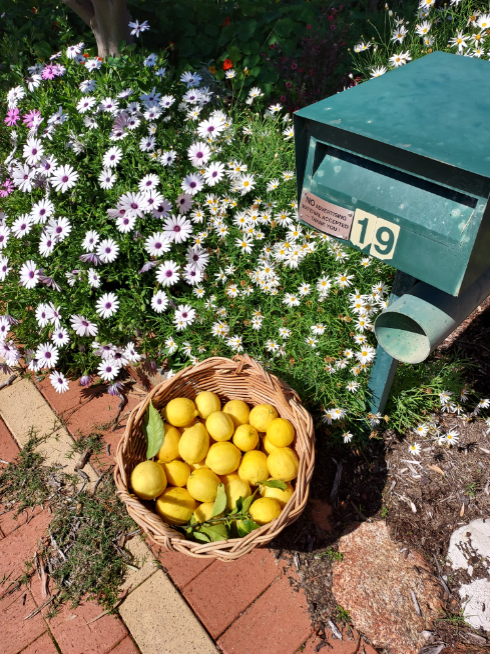
The Meyer lemon has been prolific. I have juiced some and frozen the juice in bags for recipes later on, but there are plenty to share. I have put 5 boxes full of lemons on the verge for neighbours, and there are more to come. I put a post up on our "Buy Nothing" page and a steady stream of people come by to get the lemons. 


The lemons are just a part of the citrus harvest - I am also processing limes and grapefruit and tangelos! I am pressing them onto anyone who comes near me: "Here, take some away before I drown in citrus juice!" 


We are drying chillis and herbs like oregano on the laundry rack I have in the laundry room. It is a good place for slow drying without power. 

Apart from all of this harvesting, I would like to be able to get more seeds in for the winter crops- I have some snow peas coming up already. I have a lot of self seeded celtuce for winter salads. 

I love my garden, and I enjoy the work I do in it. Sharing it  and saving it are part of the fun. 


Monday, April 19, 2021

Simple days, getting simple things done

Our days have been going on in the usual way, with simple things taking up our lives. We are most grateful for our happy, quiet home.

 In the last few weeks a number of important milestones have been passed -DH and DS both had birthdays, and DH is through his hand and back surgery and well on the mend. We have both had our flu injections for this year -DH got one for pneumonia last year so probably doesn't need it to be done again this year. We are not yet on the list for the COVID vaccine but I will be lining up as soon as I am called. 


The tumbler quilt top I started some time ago has become a flimsy over the last couple of weeks. I will always remember this one for the way my 3 year old grandson enjoyed turning the handle on my Accuquilt Go as I cut the tumblers, and them put them up on the design wall. I am planning to use a collection of orphan blocks on the back. I am trying to think of a name for the quilt, but given the helper I had I am thinking of it as 'tumble tots'. 


It  has been school holidays and we have been having a 'sleepover' with the older grandchildren as a special treat. I took both Miss 8 and Mr 6 to the local pool and they had a wonderful time. The pool is geothermally heated at a constant 32C and it is quite wonderful. When DH is a bit more recovered we both will be using the pool again for our 'walking in water' exercise regime -it is good work but kind to arthritic joints. 

Miss 8 continues to progress in her scrunchy making skills with my sewing machine. I think we have made 3 so far, and each one requires less of my attention.


I took advantage of an early in the season rainfall to start putting plants in the verge garden. After the hot dry summer the earth was absolutely rock hard out there, so I bought an auger attachment for DH's drill to help me dig the holes. I had a couple of indigenous plants ready to go in, and have some more to plant this week. Once the rains fell the earth softened a bit and I hope that gradually we can turn this semi-desert into living soil again. In a couple of weeks I hope DH will be able to help me get a trailer load of mulch to protect the bed and feed the soil a bit. 


 We are eating the butternut pumpkins I grew under the citrus out the back, and just this weekend started harvesting the limes. The myer lemons are colouring up, and will be abundant very soon. I managed to get abut 7 good pomegranates from the tree this year -a smallish crop, but I have frozen some kernels for salads later in the year. I have some rocket now growing -it needs cooler weather -and some seedling celtuce coming up from one I let go to seed. I have prepared some of the raised garden beds in preparation for winter crops. 


The nasturtiums are returning to the front garden, and the autumn flowering daisies and salvias are in bloom again.  


Finally, here are a few good articles I found about simple living and growing things 

Simple living vs Minimalism

Why we should embrace regenerative gardening 

The self-sufficiency myth


https://www.treehugger.com/embrace-regenerative-gardening-5176159